
The Sui Lab
The Sui Lab
Understanding Self, Building Resilience

Our Research
Not all information is processed equally by the brain. Signals tied to the self (a name, a face, a possession) are detected with a speed and accuracy that little else can match. This effect is well established. Why it exists, and what it reveals about the self as a working part of the brain rather than a philosophical notion, is not.
This is the question the Sui Lab was set up to answer. Using behavioural testing alongside direct measures of brain activity, we examine how self relevance shapes perception, attention, memory and control, and how that shaping varies across cultures, across the lifespan, and in conditions such as depression, autism and cognitive decline. We pay particular attention to the circumstances in which this ordinarily reliable advantage weakens or disappears, since such breakdowns often reveal the mechanisms that sustain it in the first place.
This is fundamental research, and the central questions remain open. But how the self organises cognition has a direct bearing on how people are understood and supported across different populations and settings. For this reason, our work increasingly extends beyond the laboratory, into partnership with clinicians and communities, so that what we find is tested against what it is meant to serve.
We focus on the mechanistic profile of self: that the self plays the special role of enhancing the binding of information and psychological processes in human beings.
Jie Sui, “Self-Reference Acts as a Golden Thread in Binding” (2016)
Lab News
2026 News
WHO’S WHO? Experience the Self-prioritisation Effect
Our brains tend to notice, process, and remember information related to ourselves more readily than information related to other people. This natural processing advantage is known as the self-prioritisation effect.
We are currently exploring whether this built-in advantage can be harnessed through carefully designed interventions—creating enjoyable activities for everyday life that also engage reaction speed and memory.
To let you experience self-prioritisation first-hand, we have designed a short game called Who’s Who? You will link Self, Friend, and Stranger to different avatars, and then try to find the requested avatar as quickly and accurately as possible.
The full activity takes approximately 10 minutes, including a few brief questions before and after the game.




Magic of the Mind!
What a fantastic evening at Magic of the Mind! 🪄
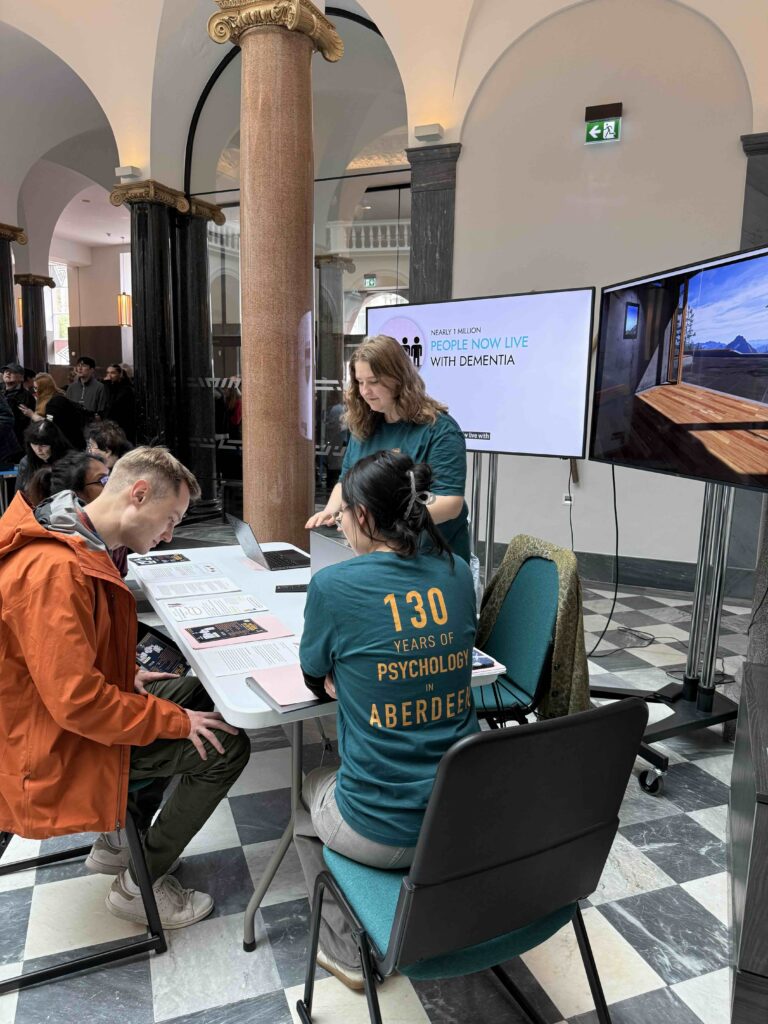
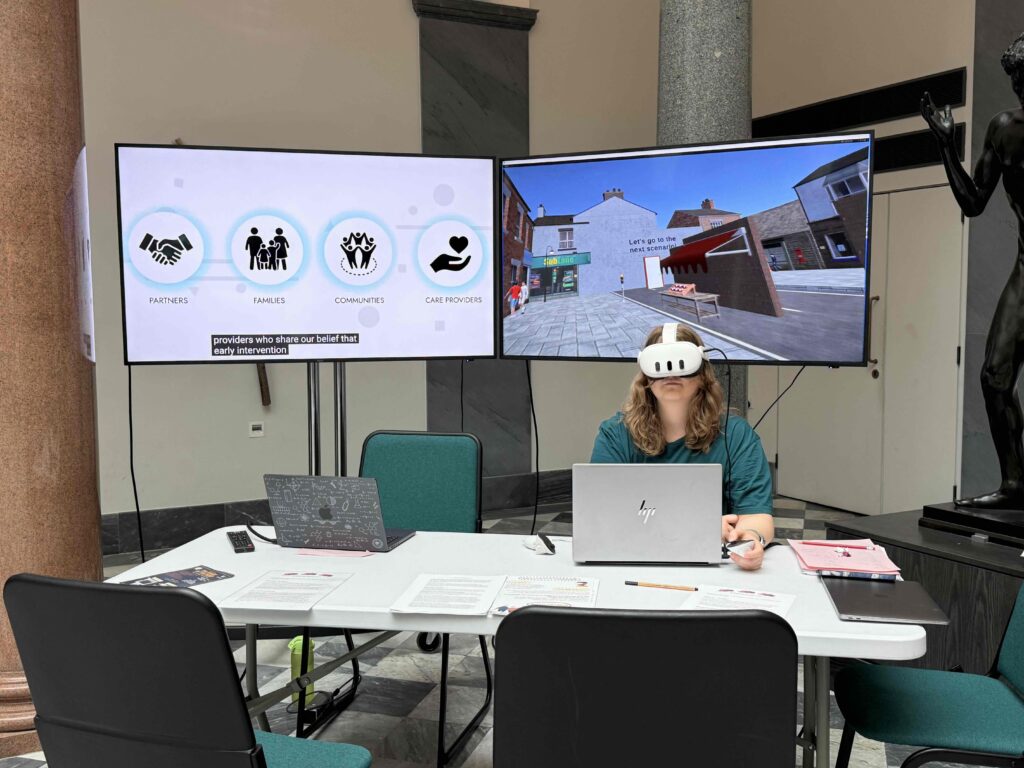
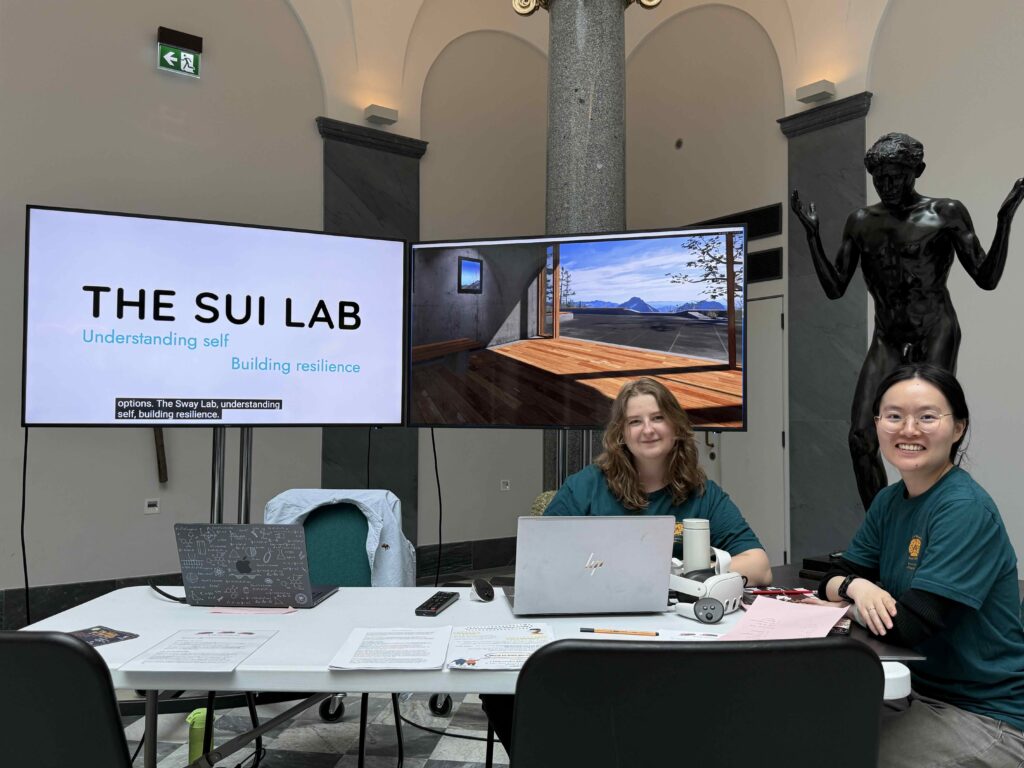
It was wonderful to see more than 1,300 people join us at Aberdeen Art Gallery to explore psychology, the mind, and the science behind how we think, perceive, and remember.
Our team was delighted to be part of the event , where we introduced our latest research directions in social self cognition and its application in healthy ageing. We shared our work on co-design approaches, including a self-prioritisation-based training game, as well as a VR headset demo showcasing our new experimental design.
It was especially rewarding to speak with members of the public about how psychological science can help us better understand ageing, cognition, and everyday wellbeing. The conversations, questions, and enthusiasm from visitors were genuinely inspiring.
North East Scotland ICURe Discover Programme 2026 – Final Pitch Call
Our team has officially completed the Innovate UK ICURe Discover programme. On 24 March, PhD researcher Zhuoen Lu represented the team in the final Pitch Call for the North East Scotland ICURe Discover Programme.
The project aims to re-couple cognition and mood through self-referential processing. The discovery phase helped us speak with experts, stakeholders, and end users while shaping the next stage of research and efficacy testing.


North East Scotland ICURe Discover Programme 2026 – The Boot Camp
The North East Scotland ICURe Discover programme kicked off on 22 January with a bootcamp hosted at ONE BioHub in Aberdeen, bringing together research teams from the University of Aberdeen and Robert Gordon University.
We are looking for partners and participants to join this journey of discovery, including healthcare professionals, care providers, industry experts, and people with lived experience.
Founder’s Week – Family Discovery Day
On 9 February, PhD researcher Yuan represented the lab at Discovery Day on the University of Aberdeen main campus with a stand themed “Shapes of Family”.
The event was a chance to share our work on child development and cognition with families, young visitors, and the wider community.

2025 News
British Association for Cognitive Neuroscience Annual Conference
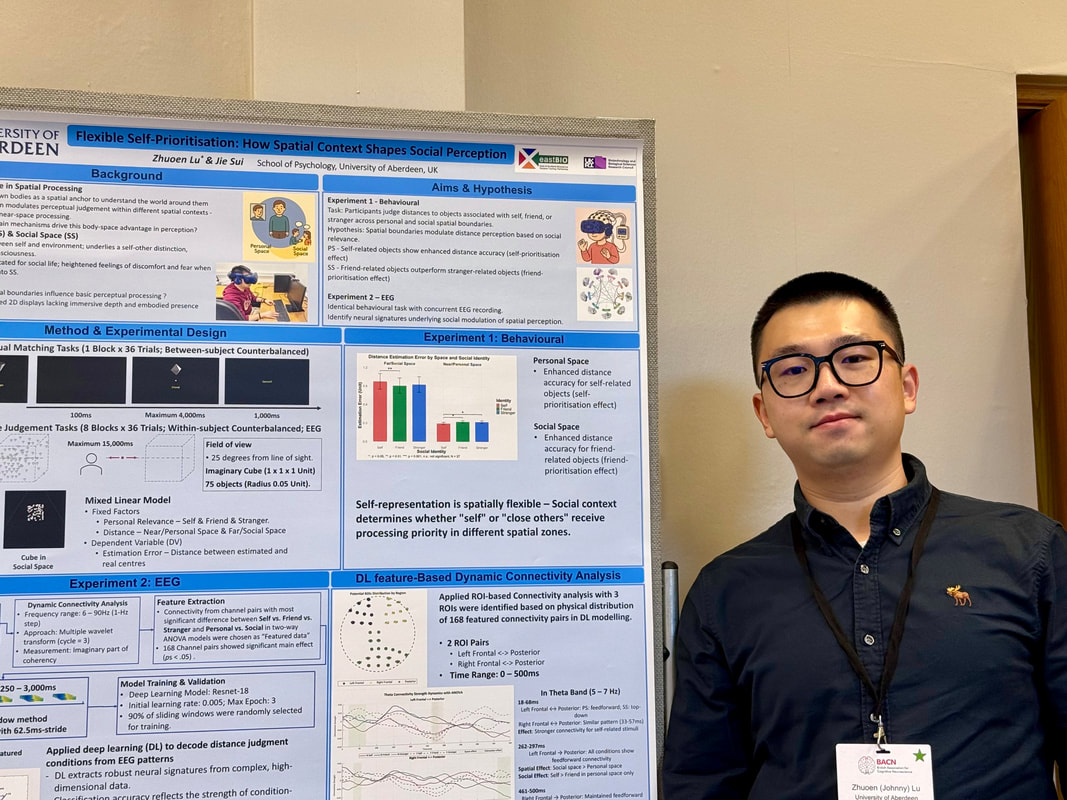
Zhuoen Lu presented an award-winning poster titled “Flexible Self-Prioritisation: How Spatial Context Shapes Social Perception” at the British Association for Cognitive Neuroscience Annual Conference 2025 in Edinburgh.
The study investigated how spatial context influences self-prioritisation in perception and how flexible neural mechanisms support self and social processing.
2024 News

Outreach Activities at the University of Aberdeen
Our PhD researchers Zhuoen, Huilin, and Michella participated in three outreach activities at the University of Aberdeen in 2024, sharing psychology and cognition research with broader audiences.
Get In Touch
Still have unanswered questions? Send us a message about research, participating, or collaborating.